Exploring the Gig Economy

In the ever-changing gig economy, freelancers face unique challenges. This guide offers practical strategies to ensure timely payments, maintain a steady flow of projects, and balance multiple projects to avoid burnout.
How Can I Thrive in the Gig Economy?
Securing timely payments, maintaining a steady flow of projects, and balancing multiple projects to avoid burnout are key strategies in the gig economy. Mastering these aspects requires specific approaches and tools.
Ensuring Timely Payments from Clients in the Gig Economy
To ensure timely payments in the gig economy, it is crucial to set clear expectations from the start. Before beginning any project, discuss and agree on payment terms. These terms should be clearly outlined in a written agreement signed by both parties.
- In the gig economy, leverage the principles of commitment and consistency. Once clients agree to specific payment terms, they are more likely to adhere to them. Regular polite reminders and updates on project progress can reinforce this commitment and ensure payments are made on time.
- Offering incentives for timely payments or penalties for late payments can also be effective. For example, providing a small discount for early payments or implementing a late fee for overdue payments can encourage clients to prioritize your payments. Ensure these terms are clearly stated in the initial contract and on each invoice.
If a payment is delayed, send a polite reminder immediately. Start with a friendly thank you for the business, followed by a gentle reminder of the overdue payment, and outline the next steps if the payment is not received.
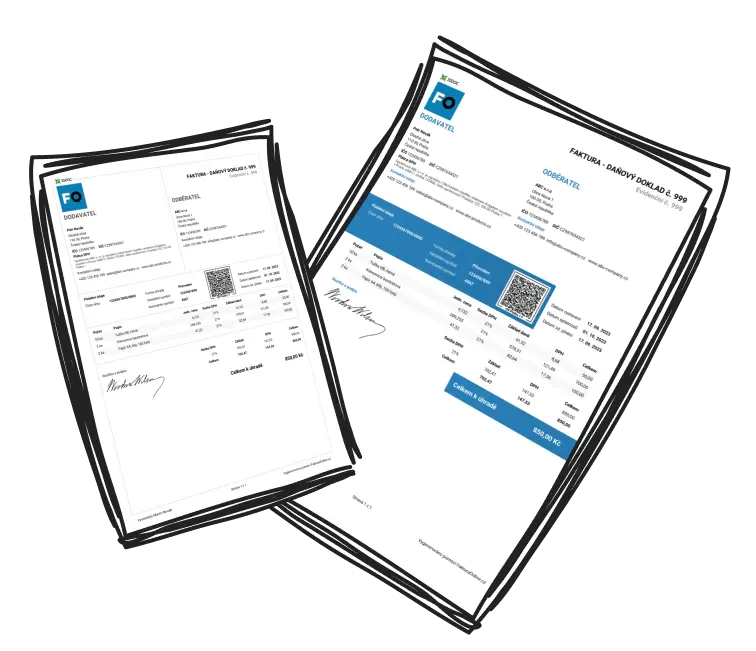
Tip: Use online invoicing platforms that offer automatic reminders and secure payment gateways.
Maintaining a Steady Flow of Projects in the Gig Economy
Building a strong online presence is fundamental for attracting potential clients in the gig economy. Create a professional website and active social media profiles. Showcase your past projects, client testimonials, and publish a blog with valuable industry insights.
- Regularly seek feedback from your clients and use it to improve your services and offerings. This way, you not only enhance your business but also retain satisfied clients who are more likely to return.
- Networking is key in the gig economy. Attend industry events, both online and offline, and engage in communities relevant to your field. Building relationships with other freelancers can lead to project referrals. Collaborating with agencies can also ensure a steady stream of projects.
Diversifying your client base is essential to avoid reliance on a few clients. Strive to work with multiple clients across various industries. This diversification ensures a more stable project flow and mitigates the impact of losing a client.
Tip: Invest in content marketing by creating blogs, video tutorials, and webinars. Offering valuable content for free builds trust and positions you as an expert in your field, effectively attracting new clients.
Balancing Multiple Projects to Avoid Burnout
It is crucial to prioritize projects based on deadlines and complexity. Create a schedule that assigns specific time blocks to each task and use time management tools to streamline this process.
- Breaking tasks into manageable steps allows you to handle large projects more effectively. Focus on completing one small, actionable step at a time, leading to significant progress without feeling overwhelmed.
Setting clear working hours and communicating these boundaries to clients helps maintain work-life balance. Regular breaks using techniques like the Pomodoro technique—working for 25 minutes followed by a five-minute break—can increase productivity and reduce fatigue.
Tip: Creating a support system by collaborating with other freelancers on online forums or local meetups provides emotional support and practical advice. Sharing experiences and strategies can help you find new ways to manage your workload effectively.
Consider outsourcing repetitive or administrative tasks. Hiring a virtual assistant can free up your time for more critical work and help you handle more projects without overloading yourself.
By implementing these strategies, freelancers can navigate the gig economy more effectively, ensure timely payments, maintain a steady flow of projects, and avoid burnout.
To streamline your invoicing process and ensure timely payments, try InvoiceOnline for free without registration today.